
The Hidden Cost of “Just One Extra Ounce”: How Small Overpours Quietly Drain Thousands From Your Bar Each Year
Most bar owners don’t lose money because of theft. They lose it because of math they never see.
Liquor loss rarely shows up as a dramatic problem. It doesn’t trigger alarms or spark confrontations. It hides in plain sight—inside drinks that look great, taste fine, and go out the door without a second thought.
That’s what makes it dangerous.
One extra ounce in a cocktail doesn’t feel like a big deal. Guests appreciate a “heavy hand.” Bartenders feel like they’re taking care of the customer. And on the surface, nothing appears wrong—the drink is served, the guest is happy, and service continues.
But bars don’t lose money in moments. They lose it in patterns.
That extra ounce gets poured again… and again… and again—across different bartenders, multiple shifts, busy weekends, and entire seasons. Over time, those small, unmeasured pours quietly stack up, slowly widening the gap between what you think you’re selling and what you’re actually pouring.
Because here’s the reality: Liquor costs aren’t hurt by one mistake. They’re hurt by consistent inaccuracy.
When pours aren’t standardized, every bartender becomes their own measuring system. Some pour heavy. Some pour light. Some adjust based on the guest, the vibe, or how busy the bar is. None of that is malicious—but all of it is expensive.
The result?
Inventory that doesn’t match sales reports
Margins that feel tighter than they should
Monthly liquor costs that creep up without a clear explanation
And because the loss is gradual, it’s often written off as “the cost of doing business,” instead of what it really is: preventable profit leakage. That’s why overpouring is one of the most overlooked threats to bar profitability. It doesn’t feel urgent. It doesn’t feel intentional. But left unchecked, it quietly costs bars thousands of dollars every year.
Let’s break down exactly how that math adds up.

What Does One Ounce Really Cost?
Let’s use simple numbers.
A standard 750ml bottle contains 25.4 ounces. If that bottle costs your bar $30, each ounce costs roughly $1.18.
Now imagine:
A bartender overpours by 1 ounce per drink
They serve 50 cocktails per shift
That’s $59 in lost liquor per shift.
Multiply that by:
5 shifts per week = $295/week
4 weeks per month = $1,180/month
12 months per year = $14,160/year
And that’s just one bartender. On one spirit. At a modest volume. Now imagine multiple bartenders, multiple wells, and weekend volume. That’s how bars lose thousands without realizing it.

Why This Happens:
(Even in Well-Run Bars)
This isn’t about bad staff, laziness, or carelessness. In fact, overpouring occurs most often in busy, popular bars staffed by confident bartenders. The issue isn’t intent—it’s systems.
Most overpouring occurs because bartenders rely on memory instead of measurement. Counts are learned early, reinforced through repetition, and then trusted indefinitely. The problem? Human memory isn’t fixed. Without regular recalibration, even the most experienced bartenders slowly drift off-count without realizing it.
Add in speed pressure, and accuracy becomes even harder to maintain. During rushes, bartenders prioritize getting drinks out quickly. That urgency subtly overrides precision, especially when no one is actively measuring or testing pours.
Another major factor is that pours are rarely audited. Many bars never revisit pour accuracy after initial training—if it happened at all. Without regular testing, there’s no feedback loop. Bartenders assume they’re pouring correctly because no one has told them otherwise.
And here’s the kicker: Most bartenders genuinely believe they’re pouring accurately—until they’re tested.
That’s precisely why blind free-pour tests are so effective. They remove ego, pressure, and assumptions from the equation. Bartenders pour what they believe is correct, and the results speak for themselves. No lectures. No blame. Just facts.
Once bartenders see the discrepancy, behavior changes naturally.
“But Guests Like Strong Drinks…”
Yes—and they also like consistency. A cocktail that tastes great today but different tomorrow creates uncertainty. Guests may not consciously identify the issue, but they feel it. Over time, inconsistency erodes trust in the bar’s quality and reliability.
Guests don’t come back because a drink was heavy once. They come back because it tastes right every time.
Consistency is what builds confidence in your bar program. It ensures that no matter who’s behind the bar, the experience feels familiar, balanced, and intentional.
Consistency builds trust. Trust builds repeat business. Overpouring doesn’t increase loyalty—it increases unpredictability. And unpredictability is the enemy of both profitability and brand reputation.
The Long-Term Impact on Profitability
When pours aren’t controlled, the consequences rarely show up all at once. Instead, they surface as ongoing frustrations that feel disconnected—but are actually related.
Owners often notice:
Liquor cost percentages creeping upward without any major menu or pricing changes
Inventory counts that don’t align with POS sales reports
Cocktails taste different depending on who’s behind the bar
A constant feeling that something is “off,” but no clear data pointing to why
Because the problem develops gradually, it’s easy to misdiagnose. At that point, many owners jump to conclusions—assuming theft, increasing prices to compensate, or cutting labor hours to regain control.
Those decisions often create new problems:
Staff morale drops
Guest satisfaction takes a hit
Turnover increases
And the original issue still isn’t fixed
In reality, most of these symptoms stem from the exact root cause: a lack of standardized pouring practices. When every bartender pours differently, the bar has no baseline. Without a baseline, there’s no way to identify what’s working, what’s leaking, and what needs adjustment. Profitability becomes reactive instead of predictable.

This Is Why Profitable Bars Measure
The most profitable bars don’t guess where money is going. They measure. Measurement creates clarity. And clarity creates control.
Well-run bars:
Set clear pour standards so every drink starts from the same foundation
Train bartenders intentionally, not just during onboarding, but as menus and seasons change
Re-test regularly to prevent count drift and reinforce accuracy
Use tools that support precision, not pride—tools that make consistency easier, not harder
This approach removes emotion from the equation. Instead of debating whether a bartender feels accurate, owners can rely on data and observation.
And to be clear, this doesn’t mean eliminating free pouring entirely. Many successful bars use a hybrid approach, allowing free pours where appropriate while requiring measured pours for specific cocktails, spirits, or price points.
The goal isn’t to slow service or strip bartenders of autonomy. The goal is to make accuracy non-negotiable.
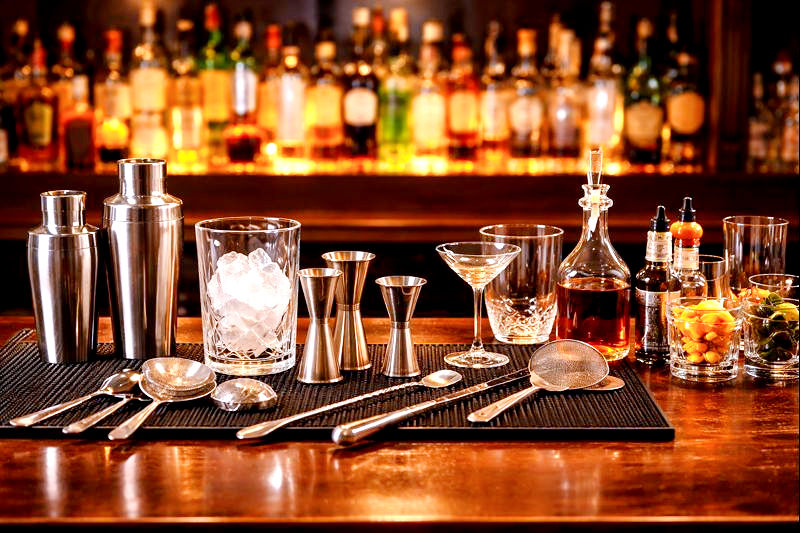
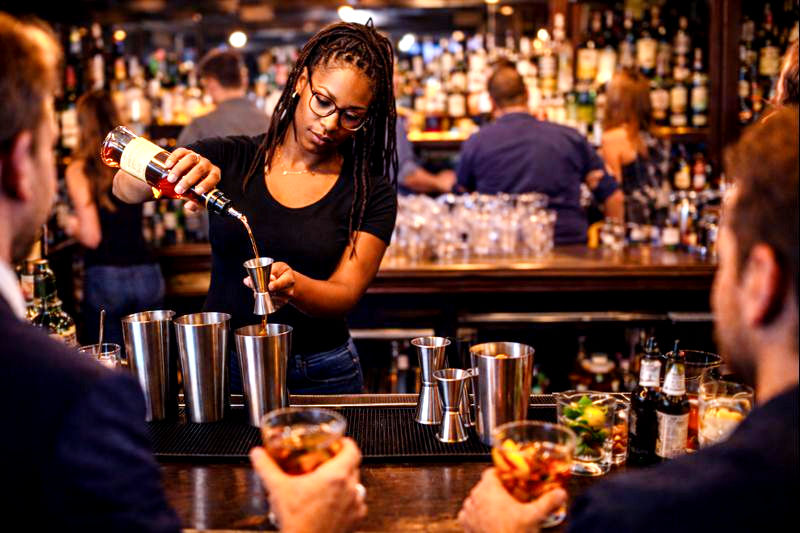
Whether that accuracy comes from jiggers, calibrated counts, or structured training, the outcome is the same: tighter control, more substantial margins, and a bar program that performs consistently—no matter who’s on shift.

Final Toast: Accuracy Is a Business Strategy
Overpouring isn’t loud. It doesn’t announce itself. And it rarely feels urgent.
But over time, it quietly reshapes your margins, your inventory, and your guest experience.
This isn’t a conversation about right or wrong, old-school or new-school. It’s about intention. Bars that operate on assumptions eventually feel the strain. Bars that operate on standards create stability.
Accuracy behind the bar isn’t about micromanagement—it’s about leadership. When our expectations are clear, training is consistent, and performance is measured, bartenders aren’t guessing, and owners aren’t reacting. Everyone is working from the same playbook.
The most successful bar programs don’t rely on hope, habit, or hustle alone. They rely on systems that protect the business while still allowing personality, speed, and hospitality to shine. If liquor costs feel unpredictable, if inventory never quite lines up, or if drink consistency varies shift to shift, it may be time to stop asking who is responsible—and start asking what systems are missing.
Once accuracy becomes non-negotiable, everything else becomes easier.
Stay hydrated. Drink Responsibly.
Did you make this recipe? Tag @greeneolivescatering on Instagram and use the hashtag #greeneolivescatering.


Comments