
AAPI Heritage Month: A Toast to Culture, Craft, and Elevated Cocktails
Updated: May 29
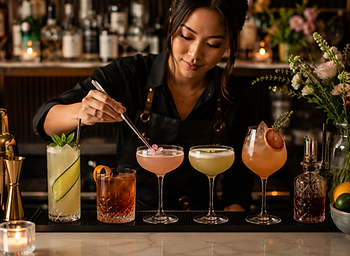
Where Culture Meets The Cocktail Glass
Every cocktail tells a story—but some tell legacies.
Asian American and Pacific Islander (AAPI) Heritage Month is a time to honor the deep cultural roots, traditions, and innovations of Asian American and Pacific Islander communities. From centuries-old fermentation techniques to delicate tea infusions and vibrant tropical fruits, these cultures have shaped the way the world experiences flavor.
At Greene Olives, we don’t just pour drinks—we translate culture into curated experiences. This month, we’re raising a glass to balance, intention, and artistry—because behind every beautifully crafted cocktail is a history worth celebrating.
The Roots Of Global Influence: Where Tradition Meets Technique
AAPI Heritage Month traces back to the late 1970s, honoring the arrival of the first Japanese immigrants to the United States in 1843 while recognizing the lasting contributions of Asian and Pacific Islander communities across generations. One influence that often goes overlooked, however, is the profound impact these cultures have had on the world of food, beverage, and hospitality.
Across Asia and the Pacific Islands, ingredients were used not only for flavor, but also for wellness, preservation, and ritual long before modern “functional beverages” became a trend. Many AAPI traditions blended medicine, science, and culinary artistry together through fermentation, herbal infusions, spices, and tea culture.
In China, ingredients such as ginger, chrysanthemum, goji berries, ginseng, and jujube were commonly used to infuse teas and wines, balancing, supporting digestion, and promoting relaxation. In India, turmeric, cardamom, clove, cinnamon, and black pepper played important roles in Ayurvedic traditions, with spice combinations intentionally layered for warmth, circulation, and immunity.
Japanese and Korean cultures mastered fermentation through products like sake, miso, kimchi, and makgeolli, understanding the importance of preservation, microbial activity, and gut health centuries before probiotics became part of mainstream wellness culture. Across Southeast Asia and the Pacific Islands, ingredients such as pandan, lemongrass, tamarind, coconut, hibiscus, and kava were widely used in beverages and tonics tied to hydration, restoration, and ceremonial practices.

Japan
Japanese beverage culture is built on precision and patience. Sake brewing transforms rice into something delicate, layered, and deeply expressive. That same philosophy carries into modern cocktails—clean, intentional, and balanced.
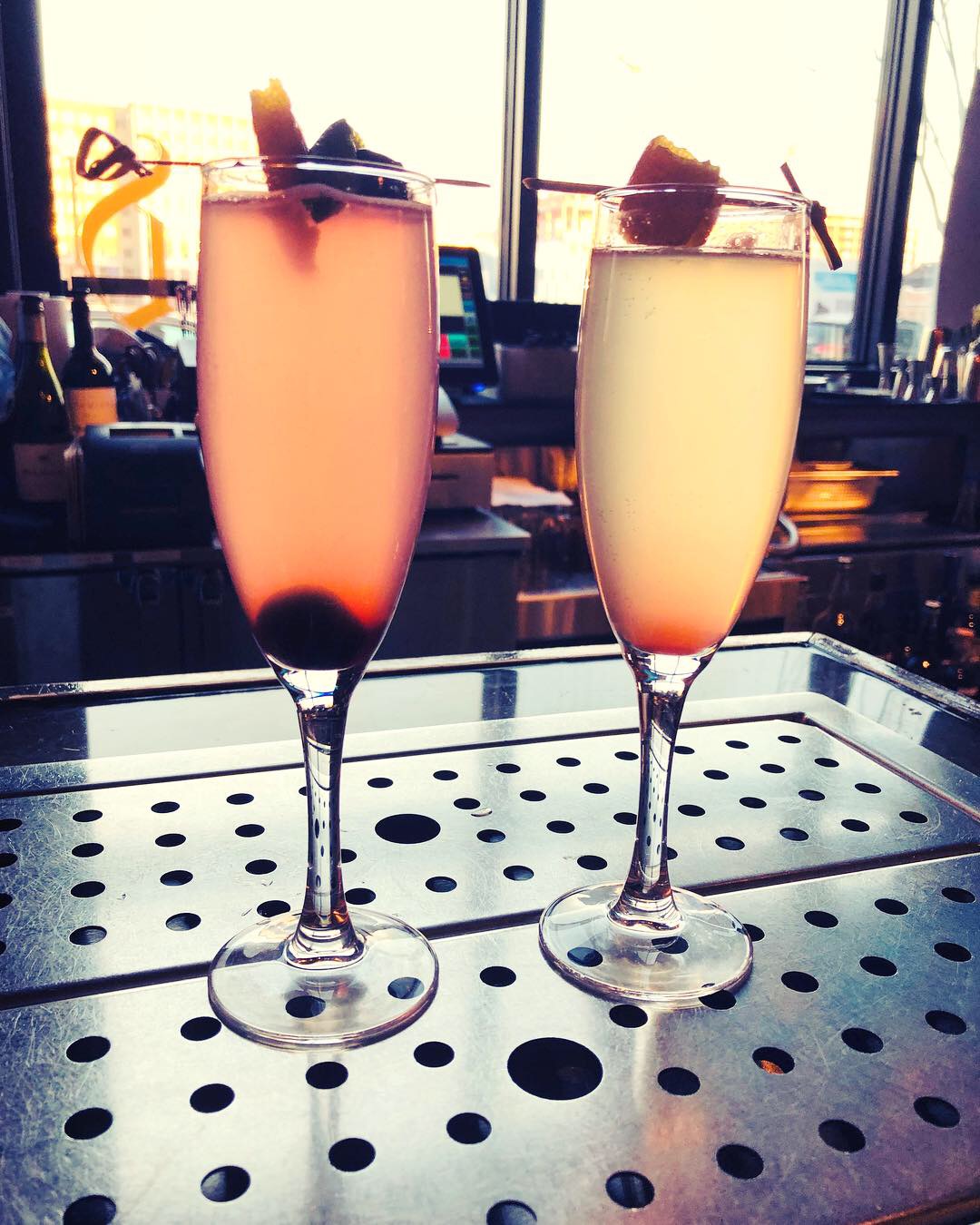
The Sakura Sake Spritz beautifully reflects that elegance. Light, floral notes of cherry blossom pair with crisp sake and a touch of citrus, creating a cocktail that’s airy, refreshing, and quietly complex. It’s subtle, refined, and designed to be appreciated—not rushed.

Korea
In Korea, traditional rice wines like makgeolli and widely enjoyed spirits like soju represent both heritage and adaptability. These beverages are often shared, reinforcing connection and community.
The Soju Yakult Spritz leans into a wildly popular Korean flavor combo. Slightly sweet, tangy, and lightly fizzy, this cocktail is smooth and playful with a creamy citrus edge. It’s approachable, nostalgic, and made for social moments where one round turns into three.

Philippines
Filipino spirits bring bold, tropical energy to the forefront. Coconut-based liquors like lambanog are distilled from coconut sap and paired with flavors like calamansi, pandan, and ube, creating vibrant, unmistakable profiles.
The Calamansi Lambanog Daiquiri captures that energy perfectly. Bright, punchy citrus cuts through the strength of lambanog, while a hint of sweetness rounds it out. It’s sharp, refreshing, and unapologetically bold—just like the culture behind it.

China
China’s beverage traditions are deeply rooted in history, from the powerful aroma of baijiu to centuries of herbal infusion practices that blend flavor with function. Ingredients such as goji berries, chrysanthemum, and warming spices are often intentionally used.
The Baijiu Five Spice Old Fashioned is a bold reinterpretation that doesn’t hold back. Rich and aromatic, it layers warm spice notes over baijiu’s distinctive profile, creating a cocktail that’s complex, slightly smoky, and built for slow sipping.

Thailand
Thai beverage traditions thrive on contrast—sweet, sour, spicy, and herbal, all working together in harmony. Ingredients like lemongrass, kaffir lime, Thai basil, and chili create bold, layered flavor experiences. At the center of modern Thai cocktail culture is Mekhong, a sugarcane-based spirit infused with herbs and spices.
The Mekhong Ginger Mule brings that identity to the forefront. Bright lime and fresh ginger create a zesty, slightly spicy backbone, while Mekhong adds warmth and depth with its signature herbal character. It’s refreshing and vibrant, finishing with a subtle heat that keeps things interesting.

India
India’s approach to beverages is deeply tied to spice, aroma, and ritual. From masala chai to herbal tonics, the layering of cardamom, ginger, turmeric, and clove creates warmth and lingering complexity. Infusion isn’t a trend here—it’s tradition, passed down and perfected over time.
The Masala Chai Espresso Martini brings that richness into a modern, elevated format. Bold espresso meets warming chai spices, creating a cocktail that’s smooth, aromatic, and slightly indulgent. It’s cozy yet sophisticated, with layers of flavor that unfold with every sip—perfect for evening celebrations or a luxe after-dinner moment.

Hawaii
Hawaiian beverage culture blends indigenous traditions with global influences, centered on fresh tropical ingredients such as pineapple, coconut, guava, and passion fruit, and is often paired with sugarcane-based spirits.
The Lilikoi Rum Mai Tai highlights passion fruit’s bright, tangy character layered over rich, aged rum. It’s juicy, tropical, and balanced with just enough depth to keep it from being overly sweet—pure island energy with structure.

Pacific Islands
Across the broader Pacific Islands, beverage traditions are deeply tied to community, ceremony, and connection. Ingredients like coconut, tropical botanicals, and roots are used to prioritize experience over excess.
The Kava Coconut Spritz offers a modern, elevated take on that tradition. Lightly earthy and subtly nutty, with a gentle coconut finish and effervescence, it’s calming, unique, and designed for slow, intentional sipping—more about the moment than the buzz.
AAPI Heritage Month: Haiku-Inspired Cocktails

If you caught our earlier feature inspired by Haiku poetry, you already know we love blending creativity with craft.
Haiku is all about simplicity, balance, and emotional impact—three lines that capture a moment. That same philosophy shows up behind the bar: minimal ingredients, intentional technique, and maximum flavor.
Think of a cocktail as a liquid haiku—every element has a purpose. No fluff. No distractions. Just a perfectly balanced experience that lingers long after the last sip.
(If you haven’t read that blog yet, go run that up—it’s a hidden gem for your content funnel.)
Mixology 101: The Art Of Balance


Great cocktails aren’t about doing the most—they’re about doing the right amount.
Balance is everything in mixology. Sweet meets acid. Spirit meets dilution. Aroma meets texture. Every ingredient has a purpose, and the goal is never to let one note overpower the entire experience. That philosophy has long been part of many Asian and Pacific Islander culinary and beverage traditions, where harmony, contrast, and restraint are essential to flavor-building.
AAPI-inspired ingredients naturally lend themselves to this style of cocktail craftsmanship because many of them are layered, aromatic, and intentionally nuanced. Yuzu, for example, delivers bright citrus with floral and slightly bitter complexity, allowing it to cut through richness with incredible precision. Lychee brings soft sweetness and delicate perfume that can mellow stronger spirits without making a drink feel heavy. Green tea adds tannic structure, earthiness, and subtle bitterness, creating depth without overpowering the palate.
Ingredients like pandan, ginger, lemongrass, calamansi, tamarind, jasmine, coconut, hibiscus, and Thai basil also demonstrate this natural balance. Some provide brightness, some create warmth, some soften texture, while others add aroma or contrast. Together, they help cocktails feel intentional rather than overly sweet or one-dimensional.
This is where amateur bartending stops and true mixology begins. It’s not just about ingredients—it’s about intention. And when done right, the result isn’t just a drink… It’s an experience your guests remember. For our clients, this is the difference between a standard bar and a Greene Olives bar.
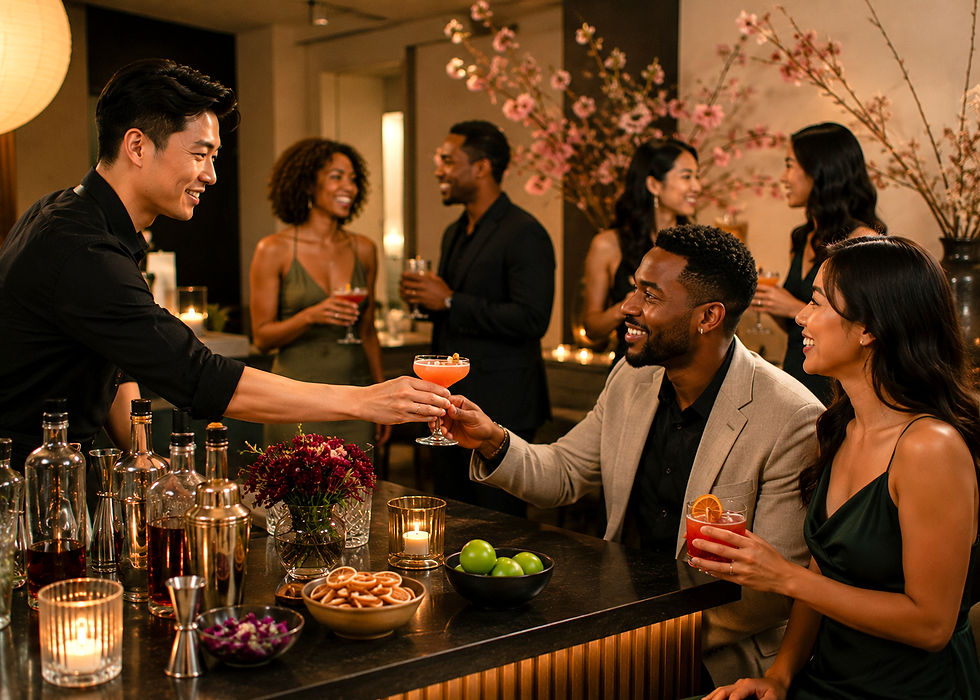
Sip With Intention
AAPI Heritage Month reminds us that culture isn’t something you observe—it’s something you experience.
From the ingredients we use to the way we present each cocktail, there’s an opportunity to honor tradition while creating something fresh and unforgettable. Whether you’re hosting a wedding, planning a private event, or simply exploring new flavors, this is your sign to go beyond the basics.
At Greene Olives, we specialize in crafting moments that feel as good as they taste. So if you’re ready to bring something unique to your next event, you already know who to call.
Let’s make it memorable.
Looking to create an intentional, inclusive bar experience in the DMV? Thoughtfully designed beverage experiences work beautifully for weddings, corporate events, private celebrations, and wellness-focused gatherings throughout Washington, DC, Maryland, and Northern Virginia. Stay hydrated. Drink responsibly.


Comments